Canbury Gardens Kingston junk removal access tips
Posted on 16/05/2026
Canbury Gardens Kingston junk removal access tips: a practical local guide for smoother collections
If you are planning a clearance near Canbury Gardens in Kingston, access can make the difference between a quick, tidy job and a frustrating one. Narrow roads, parked cars, shared entrances, awkward stairwells, garden side gates, and the simple fact that rubbish never seems to be stacked where you want it can all slow things down. These Canbury Gardens Kingston junk removal access tips are here to help you avoid that stress.
The good news? A little preparation usually saves time, protects your property, and makes the whole collection feel less chaotic. Whether you are clearing out a flat, removing old furniture, dealing with garden waste, or arranging a bigger house clearance, the smartest approach is to think about access first and waste second. Not glamorous, sure. But very effective.
This guide explains how access works in real life, what to check before booking, how to prepare a property around Canbury Gardens, and which mistakes people most often make. It also covers compliance, practical options, and a straightforward checklist you can use on the day.
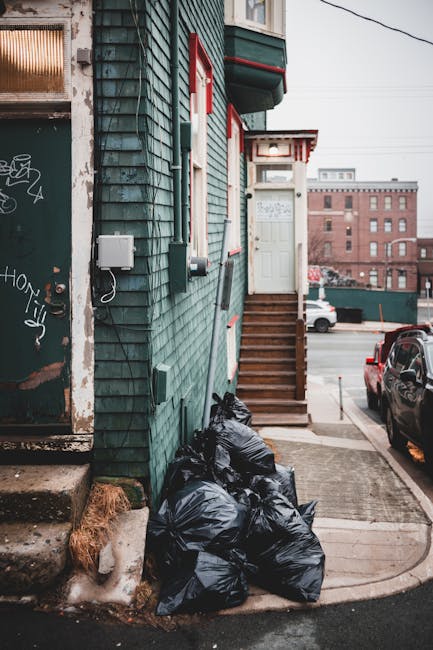
Why Canbury Gardens Kingston junk removal access tips Matters
Access is the hidden part of junk removal that people only notice when it goes wrong. If a van cannot get close enough, if parking is tight, or if your waste is tucked behind bikes, bins, or garden furniture, the team may need extra time to move items safely. That can affect costs, timing, and how smooth the visit feels.
In Canbury Gardens and the surrounding Kingston streets, access issues are often small but cumulative. A driveway may be shared. A front path may be narrow. A side gate may only open halfway because of a latch that has been stiff for months. Individually, these are minor things. Together, they can turn a simple same-day collection into a bit of a faff.
Good access planning matters for more than convenience. It helps protect:
- your walls, floors, doors, and steps
- the collection crew from avoidable lifting hazards
- neighbouring vehicles, fences, and planted areas
- your timetable if you need the clearance completed before letting agents, builders, or guests arrive
For many households, the strongest reason is peace of mind. Once the access is sorted, the rest of the job usually feels straightforward. And to be fair, that is the bit everyone wants.
If you are comparing a full clearance against a smaller waste collection, it can help to look at the wider range of services first. A good place to start is the services overview, which gives a clear picture of what can be handled and how different jobs are usually approached.
How Canbury Gardens Kingston junk removal access tips Works
Access planning for junk removal is simple in principle: you remove as many physical barriers as possible before the crew arrives. In practice, that means checking where vehicles can stop, how the waste will reach them, and whether any item needs to be dismantled or carried in stages.
A typical collection near Canbury Gardens usually follows this pattern:
- You describe the items, location, and access conditions.
- The team assesses what is likely to be needed: parking, lifting distance, stairs, garden entry, or extra labour.
- You prepare the route by clearing obstacles and opening access points.
- The crew arrives, confirms the load, and removes the waste efficiently.
- Items are sorted for reuse, recycling, or responsible disposal where possible.
The more precise your access details are before arrival, the better. For example, saying "there is rear access through a side gate, but it is only 75 cm wide and opens inward" is far more useful than saying "access is okay." Tiny detail, big difference.
For bulky items like wardrobes, sofas, mattresses, or white goods, access planning can be the thing that decides whether the item can be taken out intact or must be broken down first. If furniture is involved, it may be worth reviewing furniture removal in Kingston upon Thames as part of your planning.
Garden clearances follow a similar logic, only with more mud, more branches, and the occasional half-hidden bag behind a shed. If your job is more outdoors-focused, garden waste removal in Kingston upon Thames is the relevant service to explore.
Key Benefits and Practical Advantages
People often think access tips are just for the removal team. They are not. They help you too.
Here are the main advantages of getting access right around Canbury Gardens:
- Faster collection: Less time spent carrying items means the job moves more smoothly.
- Lower risk of damage: Clear routes reduce knocks to walls, banisters, paintwork, and garden edging.
- Better safety: Fewer obstacles mean less chance of trips, strains, or slips.
- More accurate planning: Good access info helps with realistic timing and vehicle choice.
- Smoother neighbour relations: Nobody enjoys a van blocking the road for longer than necessary.
- Less stress on the day: You are not scrambling to move a recycling bin at the last minute while someone is already at the door.
There is also a financial angle. Access constraints can change how a job is staffed or how long it takes, which may affect the quote. That does not mean every difficult access means a higher bill. It simply means the job should be assessed honestly from the start, rather than guessed at.
If you want to understand how quotes are usually framed, the pricing and quotes page is useful because it helps set expectations before you book. Clear information usually leads to cleaner pricing. Simple as that.
Who This Is For and When It Makes Sense
This advice is useful for a wide mix of people, not just landlords or people moving home. In fact, some of the trickiest collections happen in ordinary households where nobody has thought about the route out until the van is already nearby.
It makes sense if you are:
- clearing a flat with stair-only access
- getting rid of a sofa, mattress, wardrobe, or appliance
- emptying a garage, loft, shed, or basement
- tidying a garden after a heavy pruning session
- preparing a property for sale or letting
- managing builders' waste after renovations
- arranging a larger house clearance after a move or bereavement
It also matters if access is time-sensitive. Say you have decorators arriving at 8 a.m. on Monday, or you need the space cleared before a handover. Then a five-minute delay because the alley gate was jammed can feel much bigger than it looks on paper.
For landlords and agents, the value is even clearer. A tidy access plan reduces the chance of repeated visits and helps keep turnover on track. If that is your world, house clearance services in Kingston upon Thames can be a practical fit, especially where multiple rooms or mixed waste are involved.
Businesses have their own version of the same issue: service yards, loading bays, shared entrances, and limited time windows. For those situations, commercial waste removal in Kingston upon Thames is often the more suitable route.
Step-by-Step Guidance
Here is the most practical way to prepare access for a junk removal job near Canbury Gardens. Keep it simple and work from the outside in.
1. Identify the easiest route from item to vehicle
Walk the path the crew will take. Start at the item, then move toward the street or collection point. Look for tight corners, steps, low branches, locked gates, narrow hallways, and anything on the floor that could make carrying awkward. A route that seems fine when you are standing still can feel very different when two people are carrying a bulky sofa.
2. Measure the awkward bits
You do not need to produce a surveyor's report. Just measure the likely pinch points: gate width, stair width, door openings, and the distance from the property to where a van can legally stop. Even rough measurements help.
3. Move loose obstacles before collection day
Take in bins, bikes, plant pots, shoes, broom handles, and anything else that can be tripped over. If there is a corridor or side passage, clear it completely. One stray folding chair can be annoyingly in the way. Happens more often than people admit.
4. Open and test all access points
Test the front door, side gate, rear gate, shed door, or shared entrance in advance. If a latch sticks or a lock is temperamental, sort it out before the crew arrives. It is far easier to fix a gate at 7 p.m. the night before than at the exact moment someone is holding a fridge freezer in a tight space.
5. Separate items by location and priority
If the collection includes a mix of junk types, group them by where they are stored. Keep furniture together, bagged waste together, and heavy items accessible first. This is especially helpful when you are combining domestic waste with furniture or garden waste.
6. Check parking and stopping options
If a van cannot pull directly outside, think about the nearest realistic stopping point. A short walk from the kerb is manageable. A long carry around parked cars, over a verge, and up three steps is less ideal. If parking is tight on your street, tell the team early so they can plan sensibly.
7. Share any special instructions
Does the property have resident-only parking? Is there a one-way access lane? Is the gate code needed? Do you need the collection to avoid school-run hours, or avoid blocking neighbours' driveways? Share it all. Small details are not small on collection day.
8. Confirm what happens to the waste
Once access is sorted, confirm the handling of the waste itself. Responsible removals should be transparent about disposal routes and sorting. If that side matters to you, it is worth reading the page on recycling and sustainability so you know how recyclable material is treated.
Expert Tips for Better Results
A few field-tested habits make access far less stressful. None of them are complicated, which is exactly why people skip them. Then regret it. We have all been there.
- Photograph the access route: A couple of clear photos of gates, stairs, parking, and the waste pile can tell the story faster than a long message.
- Separate fragile from heavy: Glass, mirrors, and ceramics should not sit under metal or timber that might shift during carrying.
- Use labels where needed: If you are clearing from multiple rooms, a quick note like "keep" or "remove" avoids confusion.
- Think about weather: A damp garden path, a rainy morning, or a muddy side return can make access slower and more slippery.
- Keep children and pets clear: Not just for safety, but because the door keeps opening and closing. Pets love to investigate at the worst moment.
A particularly useful tip for Kingston homes is to consider the time of day. Early morning collections often work better on quieter streets, while late afternoon can be trickier if the area is busier or parking is tighter. Nothing dramatic, just practical reality.
And one more thing: if you are unsure whether a bulky item will fit through a doorway, say so. Guessing wrong is more common than people think. The honest answer is usually the best one.

Common Mistakes to Avoid
Most access problems come from a handful of repeat mistakes. Avoid these and you are already ahead.
- Leaving the waste too far from the exit: The crew should not have to hunt through the property to find it.
- Forgetting about stairs: Two flights of stairs change the job. Always mention them.
- Assuming a van can park anywhere: It often cannot. Especially on streets with limited space.
- Not clearing the route: An untidy hallway looks minor until somebody is carrying a heavy item through it.
- Ignoring shared access rules: Flats, courtyards, and managed properties may have restrictions.
- Underestimating dismantling needs: Large wardrobes, bed frames, and some appliances may need partial breakdown first.
One of the most expensive mistakes, in time terms, is not saying when access is awkward. If you know there is a narrow side passage, say so. If the entrance is through the back garden and the path bends sharply near the shed, say so. The more upfront you are, the less likely there will be a delay or awkward surprise.
For heavier renovation waste, the same principle applies. A pile of rubble at the back of the house is not the same as a few bags by the front door. If your project has builders' debris, see builders waste removal in Kingston upon Thames for a more suitable approach.
Tools, Resources and Recommendations
You do not need specialist equipment for most domestic collections. Still, a few simple tools can make access noticeably easier.
- Tape measure: Useful for checking gate and doorway widths.
- Phone camera: Good for sending quick access photos before the booking.
- Gloves: Helpful if you need to move small items or sharp odds and ends.
- Trolley or sack truck: Useful for moving heavier items short distances, if you have one and it is safe to use.
- Bin bags and boxes: Handy for loose items, soft waste, and mixed clutter.
- Painter's tape or labels: Good for separating keep, donate, and remove piles during a house clear-out.
It also helps to choose the right service type rather than forcing everything into one category. A single sofa removal, a full domestic clear-out, and a commercial clearance are not the same job. If you want to see the broader setup, the domestic waste collection page is a sensible companion read for household jobs.
For white goods, especially fridges, freezers, and washing machines, access matters even more because of weight, awkward grips, and safety considerations. That is where appliance disposal in Kingston upon Thames becomes relevant.
And if you want to understand the company background and the people behind the service, you can browse the about us page. It is often a useful trust check before booking anything that involves entering your home or workplace.
Law, Compliance, Standards, or Best Practice
For junk removal, access is not just about convenience. It also connects to safety, duty of care, and responsible waste handling. In the UK, people arranging removal services should be comfortable that waste is handled by a legitimate operator and taken to appropriate facilities. You do not need to become an expert in waste law, but you should expect clear, sensible practices.
Here are the main best-practice points to keep in mind:
- Use a compliant operator: Ask how waste is handled and whether the service follows proper legal and environmental expectations.
- Keep access safe: Routes should be free of obvious trip hazards where possible, especially for stairs, side alleys, and wet surfaces.
- Be honest about the load: Accurate descriptions reduce the chance of unsafe lifting or underprepared visits.
- Protect shared spaces: Communal hallways and gardens should be respected, not treated like a dumping ground for the day.
If compliance matters to you, the waste carrier licence and compliance page is a sensible place to understand the sort of standards you should expect from a reputable service. Insurance and safety also matter in real-world removals, especially where stairs, heavy furniture, or tight access are involved. That is covered on the insurance and safety page.
Payments and booking confidence matter too, particularly when you are arranging a service around a time window. If you want reassurance about the process, the payment and security information helps explain the basics in plain language.
Options, Methods, or Comparison Table
There is more than one way to handle junk removal access near Canbury Gardens. The right method depends on the type of waste, how quickly it needs clearing, and how restricted the property is.
| Method | Best for | Access needs | Typical advantage | Possible drawback |
|---|---|---|---|---|
| Kerbside pickup | Bagged waste, smaller items, easy front access | Minimal if items are already at the edge of the property | Quick and straightforward | Not suitable for bulky or awkward items |
| Room-to-vehicle clearance | Furniture, appliances, household clutter | Good route from property to van | Efficient for most domestic jobs | Can be slower if stairs or tight turns are involved |
| Garden-side clearance | Green waste, old sheds, outdoor junk | Rear gate or side access | Useful when front access is limited | Mud, narrow paths, and weather can complicate things |
| Full property clearance | House moves, probate, deep decluttering | Multiple access points helpful | Best for larger projects | Requires more planning and coordination |
For many homes near Canbury Gardens, the sweet spot is not the simplest method, but the one that fits the route available. If you can get items from the back garden to a street-level vehicle without crossing the whole house, that may be the cleanest option. If not, a careful room-to-vehicle carry is usually more sensible. There is no prize for making it harder than it needs to be.
Case Study or Real-World Example
Picture a typical Kingston household near Canbury Gardens on a damp Tuesday morning. The homeowner wants a few bulky items gone before new flooring is fitted later in the week. There is a sofa in the living room, a dismantled bed frame upstairs, and some garden waste near the back gate.
At first glance, it sounds simple. But the front street is busy, the hallway is narrow, and the side gate only opens fully if the recycling bin is moved first. The homeowner walks the route, clears the passage, moves the bin, and sends a couple of photos of the gate and stairwell before the booking. They also mention that the sofa is large and the stairs have a turn halfway up.
That little bit of preparation changes everything. The removal team arrives with a realistic plan, parks where they can safely stop, and brings the right tools for dismantling one awkward item. The collection is completed without repeated trips back and forth, and the new flooring fitters can start on time.
The difference is not dramatic on paper. In real life, it matters a lot. Less muddle. Less carrying. Less "hang on, let me just move this one thing."
This is also why it helps to think about the type of waste before the day arrives. A mixed household clear-out may need a different approach than a simple sofa removal or a job involving heavy appliances. If the job is mostly bulky furniture, the bulky waste guide can give you an even better sense of what to expect.
Practical Checklist
Use this checklist the day before or the morning of the collection. It is simple, but it catches most of the preventable problems.
- Confirm the exact collection location and access route.
- Clear the hallway, path, garden route, and stairwell of loose items.
- Open gates, sheds, side entrances, and any shared access points.
- Check gate widths, step counts, and any sharp corners.
- Move cars, bins, bikes, and anything blocking the curb or driveway.
- Separate items that may need dismantling.
- Keep pets and children safely away from the working area.
- Share parking restrictions, code access, or timing limits.
- Take photos if you think the route is awkward or hard to describe.
- Ask how the waste will be handled if you want reassurance on responsible disposal.
Expert summary: If you are near Canbury Gardens, the best junk removal access tip is not a complicated one. Clear the route, measure the pinch points, say what is awkward, and do not leave the crew to discover surprises on arrival.
Conclusion
Access is one of those unexciting details that quietly determines whether a junk removal goes smoothly or becomes a small battle with gates, stairs, parked cars, and tight turns. Around Canbury Gardens in Kingston, a little planning goes a long way. Think route first, waste second, and you will usually save time, protect your property, and make the whole process far less stressful.
If you are dealing with furniture, appliances, garden waste, or a fuller property clear-out, use the guidance above to prepare the space properly before the team arrives. That way, the collection feels organised rather than improvised. And that is always the nicer way round, isn't it?
Get a free quote today and see how much you can save.