







25/10/2026
Hiring a rubbish removal service sounds simple enough. You have waste, they collect it, job done.
Rubbish Clearance Kingston upon Thames provides a straightforward waste removal service for homes, landlords, trades and local businesses in Kingston upon Thames. The service covers everyday clutter, heavier household items, garden waste, builders’ debris and commercial rubbish, with a practical approach that keeps the work focused on collection, sorting and responsible disposal. If you need a clear route from unwanted waste to a tidy space, we offer a simple way to arrange it.
Our service is built around different types of load and the way they need to be handled. That may mean a single bulky item, a mixed pile from a clear-out, or waste that needs separating before disposal. We aim to make the process easy to understand so you know what information matters, what kind of collection suits the job, and where to find more detail on related services. For an initial discussion, you can request a quotation when you are ready.
For a fuller view of the work we cover, our services overview brings the main options together in one place. If you want to understand how we approach pricing before making contact, the pricing and quotes page explains the factors that can affect a job. Both pages are useful starting points when you want a clearer picture of how the service is structured.
Domestic rubbish clearance is often about making an awkward job feel manageable. We can deal with bags of mixed waste, old household items, broken furniture, boxed-up clutter and the kind of accumulated material that is too much for a normal bin collection. A sensible collection plan depends on volume, access and the types of items involved, so the service is arranged around the waste rather than forcing it into a fixed one-size approach.
Where a household clear-out includes several different materials, it helps to think in layers. Light mixed rubbish, reusable furniture, cardboard, old textiles and items that need separate handling may all sit in the same property but require different disposal routes. Our domestic waste collection page covers that type of work in more detail, while the house clearance service is more suitable when a whole property or a larger section of it needs clearing.
To help the quotation process, it is useful to note the main item types, whether the waste is already bagged, and whether there are any access limits such as stairs, tight hallways or shared entrances. A few clear details are usually enough to show whether the job is best treated as a small collection or a larger clearance. If the waste includes heavy or awkward items, mention that as well so the work can be planned properly.
Bulky item removal often needs more than simple loading and transport. Sofas, wardrobes, beds, cabinets and similar pieces can be awkward to move through a property and may need careful handling to avoid damage on the way out. We can help with the lifting, removal and disposal of items that have reached the end of their useful life, whether the job involves a single article or several room contents at once. Clear access information is often the most practical starting point.
Where white goods are involved, appliances can require different treatment from ordinary furniture because of their materials and components. Fridges, freezers, washing machines and cookers may need to be processed separately, particularly if they contain electrical parts or refrigerants. Our furniture removal service and the white goods and appliance disposal page explain the kinds of items that commonly fall into these categories and why different loads are not always treated in the same way.
If you are planning a collection that includes several bulky items, it helps to group them mentally before you enquire: what is staying, what is going, and what is difficult to move. That makes it easier to compare similar items and understand whether dismantling is likely to be needed. A short list of the larger pieces is usually more helpful than a long description of every minor object, because the main aim is to understand the load and the handling required.
Outdoor rubbish clearance covers a different kind of load from household waste. Garden work can leave piles of soil, branches, hedge trimmings, leaves, turf, plant material and old outdoor items that no longer need to stay on site. These materials are often bulky but relatively straightforward when they are separated from mixed household rubbish. The service is useful after a tidy-up, a landscaping project or a long overdue clear-out of the shed and borders.
We can also help with outdoor items that sit outside the usual gardening category, such as broken planters, damaged fencing components, old garden furniture and general exterior clutter. The garden waste removal page is the best place to look if your load is mainly green waste or garden debris. Where the work is tied to a building project, the builders waste removal page is a better fit for rubble, timber and packaging left behind after construction or renovation.
When arranging this type of collection, consider whether the waste is loose, bagged or stacked, because that can affect how long loading takes and how the collection is managed. It is also useful to say whether the material has been sitting in one place for a while or whether it has only just been cut back, since that can influence the volume. Simple details help us understand the practical side of the job without overcomplicating the enquiry.
Business waste removal needs to be dependable, but it also needs to suit the way a workplace operates. Offices, shops, hospitality sites and other commercial premises can generate packaging, broken fittings, stock waste, old displays and general rubbish that should be removed without disrupting normal activity more than necessary. Our approach is geared towards collections that are clear, practical and suitable for premises that need the waste gone and the space kept usable.
For larger or recurring commercial loads, it is often helpful to think about the source of the waste rather than only the material itself. Mixed office waste, surplus retail items and back-of-house rubbish may need different handling from one-off clearances after refurbishment or relocation. The commercial waste removal page gives a better sense of the type of business work we cover, while the waste carrier licence and compliance page explains the compliance side that matters when waste leaves a commercial site.
For business enquiries, it helps to describe the type of premises, the kind of rubbish involved and whether access must work around customers, staff or scheduled deliveries. That does not mean the job has to be complicated; it simply gives a clearer basis for planning. If you can note whether the waste is a one-off or something that may recur, the conversation becomes more efficient from the start.
Kingston upon Thames is a historic settlement on the River Thames in southwest London, long associated with the river crossing that gave it importance as a market town and administrative centre. Its name recalls the Saxon heritage of a place where kings were traditionally said to have been crowned, and the town centre still reflects that long history through a mix of medieval origins, Georgian and Victorian development, and later urban expansion. The river remains one of Kingston’s defining features, shaping both its geography and its public spaces. Riverside walks, boat activity and the open setting around the Thames give the town a strong connection to water and leisure, while the busy core around the shopping streets and transport links gives it a distinctly modern pace. Kingston’s built environment combines older civic buildings, church architecture and newer commercial frontage, so the town presents several layers of history rather than a single style. Canbury Gardens, on the north side of the river, offers open green space close to the centre, and the nearby riverside paths help tie the town into a wider network of walking and cycling routes. Kingston also has a cultural life that includes a theatre, galleries, markets and regular town-centre activity, with the retail core and waterfront contributing to a lively public atmosphere. In everyday terms, it is a place where heritage, commerce and residential life sit close together, and that balance is one of the reasons the town remains such a recognisable centre within Greater London.
Not every job fits neatly into a single category. Some clearances start with household waste, then add timber offcuts, packaging, old fixtures or dismantled fittings from a renovation or redecoration project. In those cases the key task is to identify what the load actually contains so it can be collected in a sensible way. Mixed rubbish can usually be handled efficiently when the main components are understood in advance, even if the pile looks untidy on site.
The practical side of mixed-load clearance is deciding what needs to go together and what may need separate treatment. Heavy rubble, plasterboard, wood, metal, plastics and general debris can all appear in one project, but they are not identical in handling or disposal. If you are comparing services, the builders waste removal page is useful for refurbishment debris, while the services overview can help you see where a mixed collection fits within the wider range of work we cover.
Good preparation is mostly about clarity rather than effort. A short description of the materials, a note about access and a sense of how much needs to be removed will usually do more to help than a long explanation of the background. If there are items you would like to keep separate, say so at the outset. That gives a better basis for planning the collection and reduces the chance of anything useful being included by mistake.
Waste removal pricing is usually shaped by the amount of material, the type of waste, the handling required and how straightforward it is to load the items. A small clear-out of bagged rubbish is a very different job from a clearance that involves bulky furniture, awkward access or mixed materials that take longer to process. That is why the most useful pricing conversations focus on the load itself rather than on generic estimates that may not match the actual work.
If you want to compare likely options before you book, the pricing and quotes page is a good place to start. Some customers also use the about us page to understand the wider way the company is presented, while the insurance and safety page addresses the care taken around handling and site conditions. Together, those pages give a more rounded view of the practical side of the service.
If you are preparing to ask for a quote, a brief note about the number of items, the kind of waste and any access restrictions is normally enough to begin. You do not need to produce a detailed inventory unless the job is complex. The point is to give enough information to make the estimate meaningful, not to turn the enquiry into paperwork. Get in touch for a quotation when you are ready.
Responsible rubbish clearance is about more than taking waste away. Once items leave a property or workplace, they need to be handled in a way that reflects their material type and disposal requirements. That can involve sorting, recycling or directing waste into the correct stream, depending on what has been collected. The aim is to keep the service practical for customers while still giving proper attention to disposal and compliance.
Where you want to read more about those back-end details, the recycling and sustainability page explains the company’s general position on recovery and reuse, and the payment and security page covers the approach to handling transactions. These pages are helpful if you prefer to understand both the disposal side and the practical administration before you proceed with an enquiry.
If your work involves a sensitive or regulated load, or if you are unsure how a particular item should be handled, it is better to mention that early. A clear conversation at the start is the simplest way to avoid confusion later. For straightforward jobs and more involved clearances alike, the same principle applies: explain the material, agree the outline, and keep the collection process direct. If you are ready, ask for a quotation and we will take it from there.
Some rubbish clearance jobs are really part of a bigger change at home: a move, a downsizing plan, a bereavement-related clear-out or the gradual sorting of rooms that have stored too much over time. In those situations, the work may include items that are still in usable condition, objects that are clearly for disposal and mixed household material that needs separating. The most helpful approach is to deal with the unwanted items in a way that respects the practical side of the project.
Because these clear-outs often involve several rooms or several categories of belongings, they benefit from a service that can adapt to the load rather than insist on a fixed pattern. The house clearance page is the best match when the work is broad and domestic, while the domestic waste collection page suits more general household rubbish. If your load is mainly a few large pieces, the furniture removal page may be the more relevant option.
For a one-off clear-out, it is often useful to group items by room or by type before you enquire. That makes it easier to see what is being removed and what still needs to stay. The result is not just a cleaner space; it is also a simpler quotation process because the shape of the job becomes clearer. In most cases, the details that matter most are the volume, the largest items and whether the property layout creates any lifting or carrying challenges.
Choosing the right rubbish clearance option is usually about matching the waste to the service. Garden debris, mixed domestic clutter, commercial rubbish, bulky furniture and renovation waste can all sit under the broad heading of rubbish removal, but each one benefits from slightly different planning. When the job is understood properly from the outset, the collection is easier to arrange and the disposal route is more suitable for the material involved.
If you want to compare the main options, the services overview and commercial waste removal pages are useful starting points, while the appliance disposal page and garden waste removal page help you narrow down more specific loads. If you are still unsure, the simplest next step is to ask for a quotation and describe the waste in plain terms.
Whether the job is small or more involved, we aim to keep the service easy to understand and practical to arrange. Use the page that best matches your waste, note any access considerations, and send across the key details when you are ready. Request a quotation if you would like to move forward, and we will help you identify the most suitable type of collection.
Rubbish clearance in Kingston upon Thames for homes, landlords, gardens, offices and building projects. Clear, practical waste removal with enquiry and pricing information.
Hiring a rubbish removal service sounds simple enough. You have waste, they collect it, job done.

The music has stopped, the guests have drifted off, and you are left with the kind of mess that...

If you need same day rubbish removal in Kingston Station and the town centre, you usually need...

If you are trying to clear a property, get rid of bulky items, or organise a one-off rubbish...
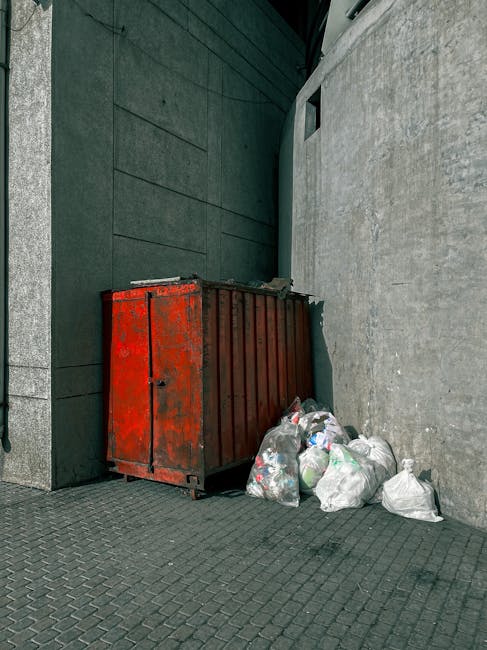
If you are staring at a pile of rubbish in Kingston and wondering whether to book a skip or hire...
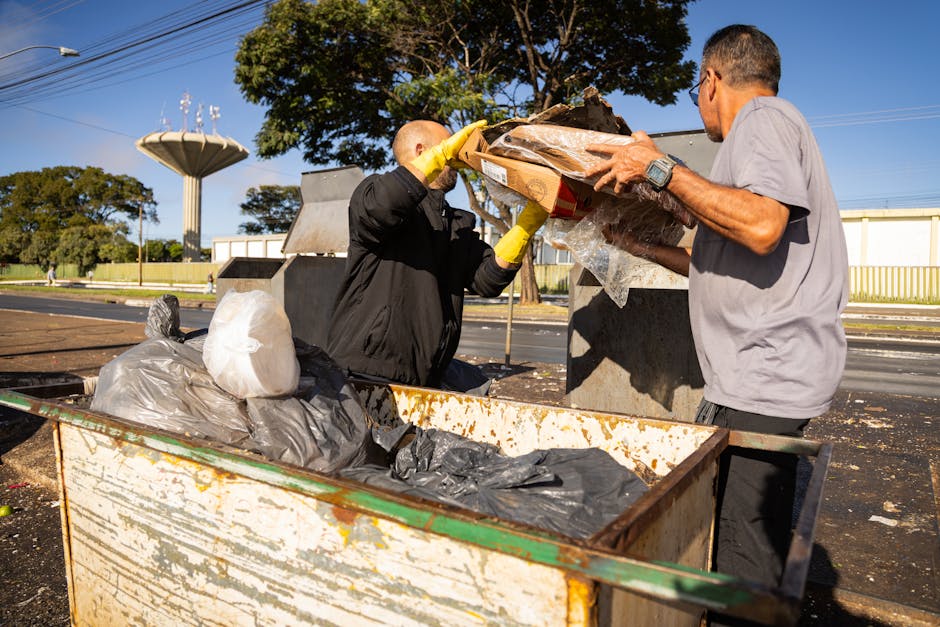
If you're trying to sort out cheap waste removal Kingston how to get fair quotes without ending...
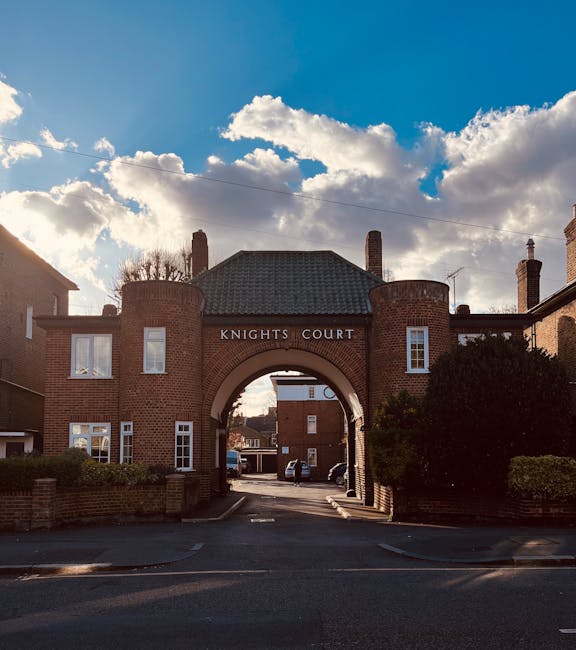
If you are trying to work out the Kingston rubbish clearance real cost and instant quotes, you...
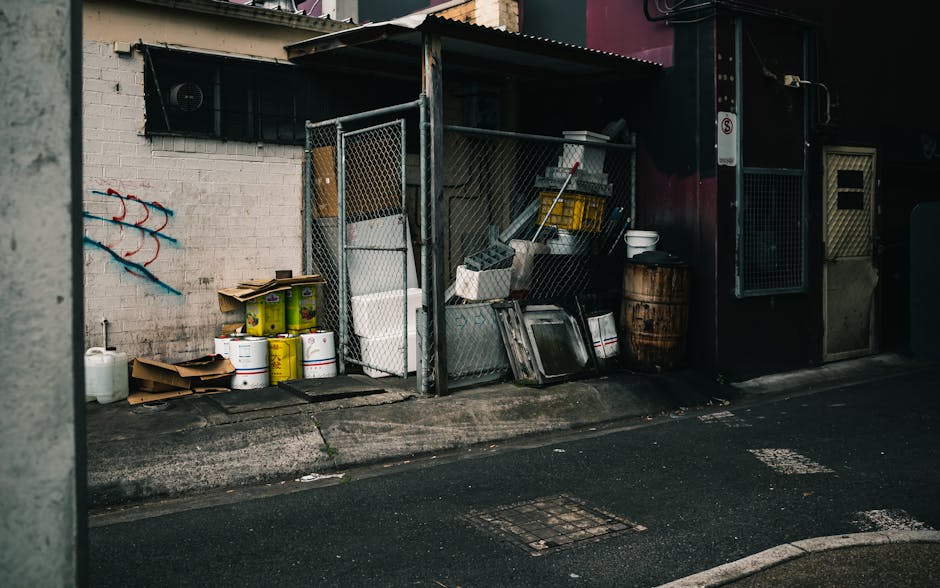
If you are a trader working in Kingston, bulky waste can become awkward very quickly.
If you have ever booked a clearance job and then watched the final bill creep up, you already...

If you are planning a clearance near Canbury Gardens in Kingston, access can make the difference...
If you've got a sofa blocking the hallway, a broken wardrobe in the spare room, or an old...

Located on the southeastern coast of Jamaica, Kingston is the largest and most vibrant city in...

 (82)
(82)
Please fill out the form below to send us an email and we will get back to you as soon as possible.