Kingston Bridge bulky waste collection and disposal guide
Posted on 30/04/2026
Kingston Bridge Bulky Waste Collection and Disposal Guide
If you've got a sofa blocking the hallway, a broken wardrobe in the spare room, or an old mattress that has quietly become part of the furniture, you're in the right place. This Kingston Bridge bulky waste collection and disposal guide is built to help you deal with large, awkward items without the usual stress, confusion, or last-minute guesswork. Bulk waste has a way of turning a simple clear-out into a small logistical puzzle - especially when you need to move it safely, dispose of it properly, and avoid unnecessary delays.
In this guide, you'll find clear steps, practical tips, compliance pointers, and useful links to related services so you can make a sensible decision fast. Whether you're clearing a flat, replacing furniture, or dealing with household items after a move, let's get it sorted properly.
Why Kingston Bridge bulky waste collection and disposal guide Matters
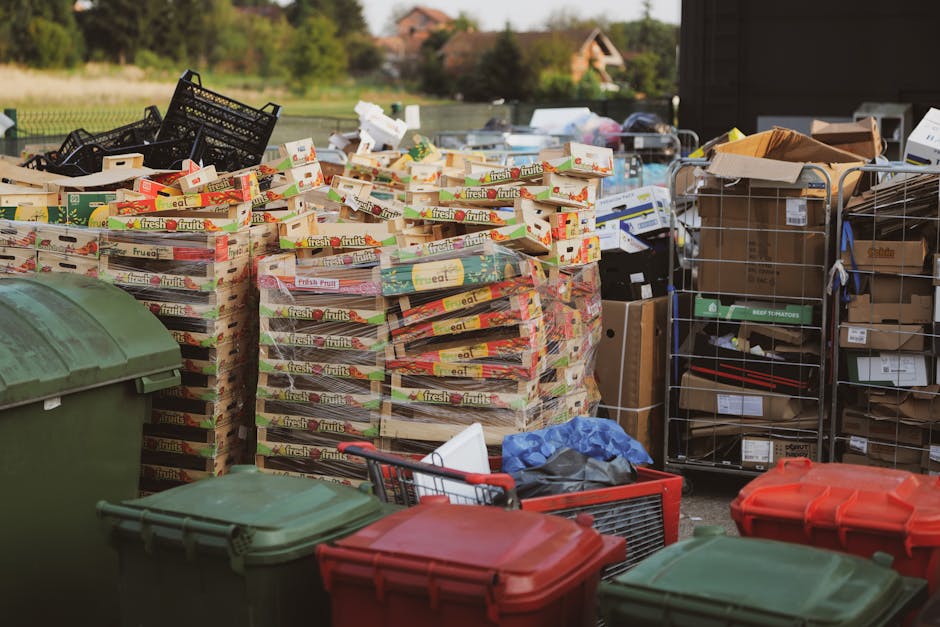
Bulky waste is a broad term for large household or commercial items that are awkward to move and won't fit neatly into a normal bin collection. In practice, that often means furniture, mattresses, wardrobes, white goods, broken appliances, exercise equipment, old carpets, dismantled cabinets, and the odd item that has been sitting in the shed for years "just in case".
For Kingston Bridge residents and businesses, a clear process matters for three simple reasons: safety, convenience, and proper disposal. Large items can be heavy, sharp, dusty, or simply too bulky to carry without help. A rushed removal can scratch walls, damage lifts, or cause injury. And if you dump bulky items the wrong way, the problem doesn't disappear - it tends to come back as a fine, a complaint, or an avoidable mess.
There's also the local reality. Kingston Bridge is busy, access can be tight, and parking is not always kind to large vehicles or multiple trips. That means planning matters more than people expect. A good bulky waste plan saves time and makes the whole job feel less like a nightmare and more like a tidy afternoon's work.
If you want a broader sense of the services that support this kind of clear-out, the services overview is a useful place to start, and the about us page helps explain the approach behind the work.
How Kingston Bridge bulky waste collection and disposal guide Works
In most cases, bulky waste collection follows a straightforward pattern. You identify what needs removing, check whether it can be reused or recycled, then arrange the most suitable collection method. The exact route will depend on the item type, volume, access, urgency, and whether anything needs dismantling first. Nothing fancy. Just sensible sorting and the right vehicle.
For example, a single sofa and a coffee table may be easy to remove in one visit. A full flat clearance with wardrobes, white goods, and old office furniture is different. That might need a larger team, more careful handling, and a disposal route that separates recyclable materials from general waste. In our experience, the jobs that go smoothly are nearly always the ones that are prepared a little bit beforehand.
There are usually three broad routes:
- Council bulky waste collection for residents who want a standard local option and can work within the council's rules and timetable.
- Private bulky waste collection for quicker, more flexible removal, often useful when access, timing, or volume makes the job more complicated.
- Drop-off or reuse-led disposal for items that are still in decent condition and could be donated, sold, or repurposed instead of thrown away.
For larger or mixed loads, the service often overlaps with related needs such as furniture removal in Kingston upon Thames, white goods and appliance disposal, or even a wider house clearance in Kingston upon Thames if you're dealing with multiple rooms at once.
Key Benefits and Practical Advantages
Bulk waste removal is not just about getting rid of things. Done properly, it can make a space safer, clearer, and far easier to use. Here's what tends to matter most to people.
- Less lifting and less risk - bulky items are awkward, and awkward is how backs get tweaked.
- Faster clear spaces - ideal before moving home, staging a property, or starting work.
- Better sorting for recycling - many items can be broken down into recoverable materials.
- Cleaner presentation - useful for landlords, estate agents, shop owners, and homeowners alike.
- More predictable disposal - you know where items are going instead of improvising at the kerb.
There's another quiet benefit too: peace of mind. Once the bulky stuff is gone, everything else feels easier. The hallway opens up. The garage breathes again. You stop tripping over that old chair you meant to deal with three months ago. Small thing, but it changes the mood of a place.
For readers who care about responsible disposal, the company's recycling and sustainability information is worth a look, because the best bulky waste solution is usually the one that reduces landfill where possible.
Who This Is For and When It Makes Sense
This guide is relevant if you're a homeowner, tenant, landlord, letting agent, tradesperson, shop owner, facilities manager, or anyone else facing larger items that can't simply go in a bag or bin. In other words, pretty much anyone who has ever looked at a broken wardrobe and thought, "Right, and now what?"
It makes sense to arrange bulky waste collection when:
- you are replacing furniture or appliances
- you are clearing a property after a move, sale, or tenancy change
- you need to remove builder's offcuts, fixtures, or fittings
- you are tidying a garden or outbuilding with old items stored away
- you want to avoid repeated trips to a disposal site
- you need a quicker turnaround than standard collection services allow
Commercial customers often need a different approach to domestic customers because access, timing, and duty of care can be more demanding. If that sounds familiar, the page on commercial waste removal in Kingston upon Thames may be more relevant than a basic household collection.
And if your bulky waste is tied to a refurb or strip-out, it may overlap with builders waste removal. That distinction matters more than people think.
Step-by-Step Guidance
If you want the process to feel calm instead of chaotic, do it in order. Here's the practical version.
- Identify every item
Walk through the property and list the bulky items clearly. Include approximate sizes, whether items are whole or dismantled, and anything awkward such as glass, electronics, or broken parts. - Separate reusable from disposal waste
If something can be reused, donated, or sold, keep it apart. A side table in good condition is not the same as a water-damaged mattress, obviously. - Check for special items
Fridges, freezers, washing machines, and other appliances may need specific handling. For these, appliance disposal is often the better route. - Measure access
Check door widths, stair turns, lift size, parking distance, and any low ceilings or narrow hallways. That one detail can decide whether the job is straightforward or a bit of a faff. - Choose the right collection method
Consider timing, volume, urgency, and whether you want a one-off removal or a broader clear-out. If you're unsure, a quote request usually clarifies things quickly. - Prepare the items safely
Remove loose contents, tape up sharp edges, empty drawers, and disconnect appliances only if it is safe and appropriate to do so. - Confirm collection details
Agree the items, access, collection window, and any extra requirements in advance. It sounds basic. It saves headaches. - Check what happens after pickup
Ask how the load will be sorted, recycled, or disposed of. Responsible carriers should be able to explain their process clearly.
If you are comparing pricing or trying to understand what affects the cost, the pricing and quotes page is a sensible next stop. That usually answers the "why does one quote look different from another?" question people have late on a Thursday afternoon.
Expert Tips for Better Results
A few small decisions make a big difference with bulky waste. These are the bits that often separate a smooth collection from a stressful one.
- Photograph the items first. A clear photo helps with quoting and planning. Try to include the full item and any damage or awkward features.
- Break down what you can. Flat-pack wardrobes, dismantled bed frames, and unscrewed shelving are usually easier to remove than assembled items.
- Keep walkways clear. If the team has to move around obstacles, the job takes longer and gets riskier.
- Check whether items can be reused. A good-quality desk, chair, or cabinet may be better handled as furniture removal rather than general waste.
- Ask about recycling routes. Responsible removal is not just collection; it is what happens after collection too.
A small but useful habit: label the things that are definitely going. It sounds silly until you're standing in a room half-cleared, trying to remember whether that lamp was staying or going. Been there. More than once, to be fair.
It is also sensible to think about safety as part of planning, not as an afterthought. The page on insurance and safety gives a helpful sense of the precautions a professional service should take.
Common Mistakes to Avoid
Most bulky waste issues come from avoidable slips rather than major problems. Here are the ones that show up again and again.
- Leaving items until the last minute. A same-week move or refurbishment is much harder if the bulky waste plan is still "we'll sort it later".
- Misjudging access. A sofa that looks easy from the pavement can become impossible on a tight stairwell.
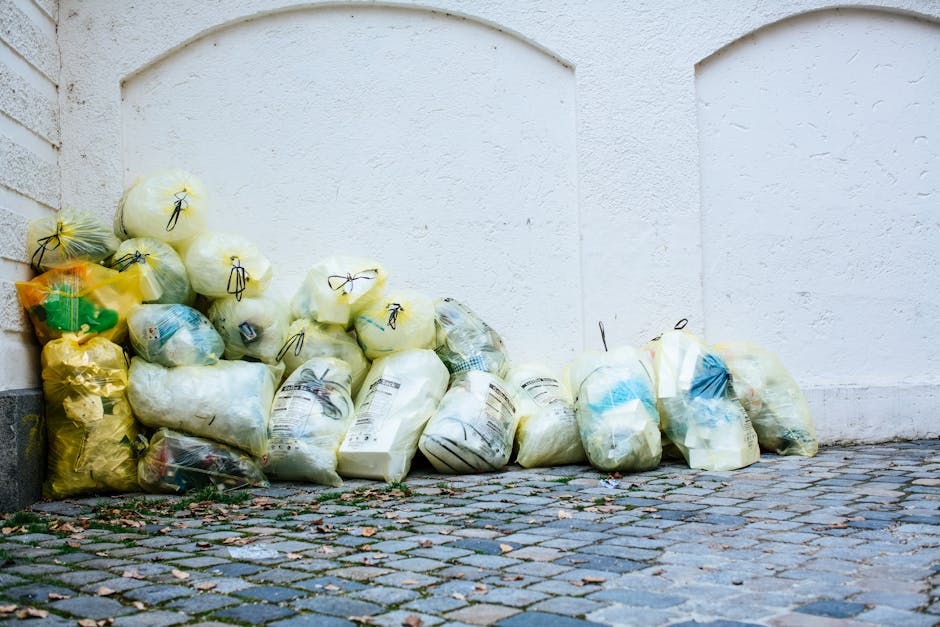
- Mixing everything together. Appliances, timber, general rubbish, and reusable furniture should not all be treated the same way.
- Assuming every item can go to the same place. Some materials need separate handling, especially electricals and anything containing fluids or hazardous elements.
- Choosing the cheapest option without checking the details. Low headline prices can hide exclusions, access limits, or poor disposal standards.
Another mistake is not checking the provider's credentials. For peace of mind, review the waste carrier licence and compliance information so you know what legitimate handling should look like.
Tools, Resources and Recommendations
You do not need a van full of specialist gear to deal with bulky waste, but a few simple tools help a lot.
- Measuring tape for doorways, stair turns, and item dimensions
- Work gloves for grip and basic protection
- Strong bags or boxes for loose screws, fixings, and small parts
- Screwdriver or hex key set for dismantling furniture
- Phone camera for photos before collection
- Marker labels to separate keep, donate, and remove items
For some households, the right answer may actually be a combination of services. A few chairs and a sofa? Furniture removal is likely enough. Clearing the side return after a garden project too? Then garden waste removal may need to be added into the plan. One size rarely fits all.
And if you want a sense of the team's overall approach to reliability and service standards, the terms and conditions and payment and security pages are sensible trust-building reads before you book anything.
Law, Compliance, Standards, or Best Practice
Bulk waste disposal in the UK needs to be handled responsibly. You do not need to become a legal expert to make a good decision, but it does help to understand a few basic principles.
First, waste should be transferred to a legitimate carrier and taken to an appropriate facility. A reputable provider should be able to explain how they manage waste, what they recycle, and how they reduce landfill where possible. They should also be clear about their business identity and operational standards.
Second, electricals, fridges, freezers, and some other items may require special treatment. That is not red tape for the sake of it; it is there because mixed waste streams can be hazardous, inefficient, or environmentally poor if handled badly.
Third, safety matters. Heavy lifting, glass, sharp edges, mouldy furnishings, and damp materials all need common-sense handling. If a service seems casual about this, that's a red flag. Not dramatic, just worth noticing.
Best practice also includes clear communication, transparent pricing, and careful sorting for reuse or recycling where possible. If a company talks openly about responsible disposal and ethics, that's usually a good sign. You can also review their modern slavery statement for broader governance context, especially if you value supply chain accountability.
Options, Methods, or Comparison Table
Different bulky waste methods suit different situations. Here is a simple comparison to help you decide.
| Method | Best for | Pros | Things to watch |
|---|---|---|---|
| Council bulky waste collection | Single or limited household items | Often straightforward and familiar | May have set dates, item limits, or access restrictions |
| Private bulky waste collection | Urgent jobs, awkward access, mixed loads | Flexible timing and tailored service | Prices vary with volume, access, and item type |
| Reuse or donation | Good-condition furniture or appliances | Reduces waste and may help others | Not suitable for damaged or unsafe items |
| DIY disposal | Small loads with easy transport | Can work if you already have the vehicle and time | Parking, lifting, disposal fees, and multiple trips add up fast |
Truth be told, many people start by thinking DIY is cheapest, then realise the time, fuel, lifting, and disposal fees make it less simple than it first looked. Not always. But often enough.
Case Study or Real-World Example
Imagine a Kingston Bridge flat clear-out after a tenancy ends. The property contains a two-seat sofa, a bed frame, a mattress, a small wardrobe, and a washing machine that has stopped working. The landlord wants the place ready for cleaning and photos by the end of the week. The hallway is narrow, and parking outside is limited in the afternoon.
In that situation, the smartest route is usually a planned collection rather than a series of ad hoc trips. The items would be grouped by type, the appliance would be separated from the furniture, and the access would be checked before the day of removal. If the wardrobe can be dismantled in advance, all the better. If not, the team needs to know that beforehand so time and access can be managed properly.
The result is not just "things gone". It is a smoother handover, less stress, and a property that feels ready for the next step. A small detail, but a useful one: the difference between a Friday that feels chaotic and one that feels under control can be one decent plan.
For this kind of wider property work, a combined approach often makes sense, and the domestic waste collection in Kingston upon Thames page is helpful if the load includes general household rubbish as well as bulky items.
Practical Checklist
Use this checklist before booking a bulky waste collection. It keeps the job simple, honestly.
- List every item to be removed
- Identify anything reusable, recyclable, or hazardous
- Measure the largest items and the tightest access points
- Take clear photos from more than one angle
- Dismantle items where it is safe to do so
- Remove loose contents and personal belongings
- Check whether appliances need special handling
- Confirm parking or access arrangements
- Review pricing, payment, and collection details
- Ask how items will be reused, recycled, or disposed of
Expert summary: The best bulky waste collection is the one that is planned early, sorted properly, and matched to the actual load - not the imagined one. A calm ten-minute check at the start saves a lot of faff later.
Conclusion
Dealing with bulky waste around Kingston Bridge does not have to be complicated. Once you know what counts as bulky waste, how the removal process works, and which service fits your situation, the whole thing becomes much more manageable. The key is to think ahead, separate the items sensibly, and choose a disposal route that is safe, compliant, and practical for your space.
Whether you are clearing a home, upgrading furniture, managing a tenancy change, or just trying to reclaim a room that has become a storage zone, a clear plan makes all the difference. And if you do it properly, you get something better than an empty room - you get a bit of breathing space back.
Get a free quote today and see how much you can save.