Kingston council bulky waste permit guide for traders
Posted on 23/06/2026
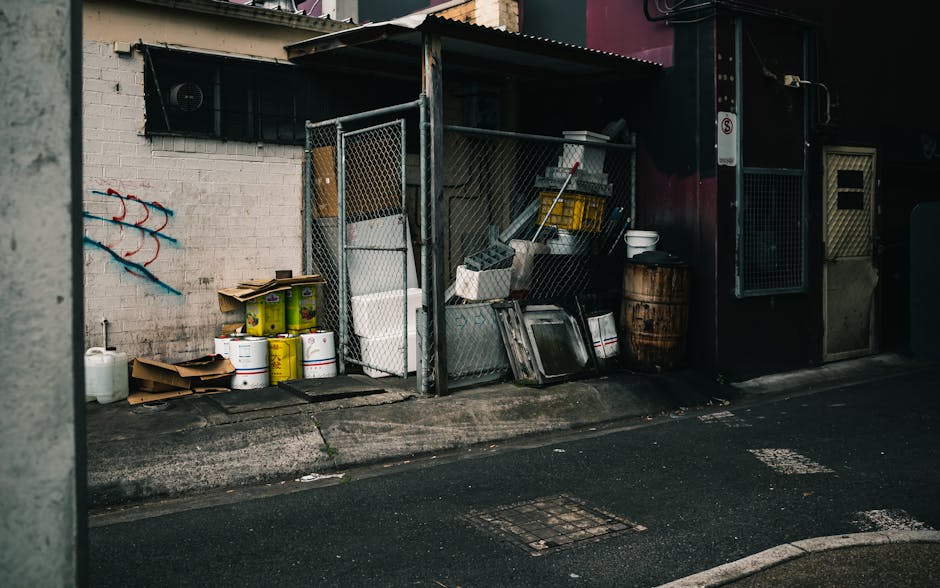
If you are a trader working in Kingston, bulky waste can become awkward very quickly. One van full of old furniture, broken fixtures, or end-of-job clear-up material can turn into a permit question, a compliance question, and a time question all at once. This Kingston council bulky waste permit guide for traders pulls the whole thing together in plain English, so you can work out what matters, what to check, and how to avoid those annoying last-minute surprises that slow a job down.
Truth be told, most traders do not need more jargon. They need to know what counts as bulky waste, when council rules come into play, how to stay on the right side of local disposal expectations, and when a commercial waste service is the cleaner option. That is what this article does: it gives you a practical route through the process without overcomplicating it.
Along the way, we will cover permit basics, trader responsibilities, common mistakes, and a few real-world tips that make disposal smoother. If you also want to understand broader compliance and waste handling, it can help to read our waste carrier licence and compliance guidance and our overview of commercial waste removal in Kingston upon Thames.
Practical takeaway: if your work generates large, awkward, or mixed waste, plan the disposal route before the van is loaded. It saves time, reduces risk, and usually saves money too.
Why Kingston council bulky waste permit guide for traders Matters
For traders, bulky waste is not just "stuff to get rid of". It can affect access, job timing, customer satisfaction, and whether a site is left tidy enough to hand back cleanly. In Kingston, that matters because many jobs happen on busy streets, in tight residential roads, or in properties with limited loading space. One extra trolley of broken furniture or packaging can be the difference between a tidy finish and a messy overrun.
The word "permit" can mean different things depending on the context. Sometimes traders mean permission to place items out for collection, sometimes they mean local rules around using council facilities, and sometimes they are really asking whether they can just load waste and go. The safest approach is to treat bulky waste as a compliance issue first and a disposal issue second. That is the sensible order, even if it is not the glamorous one.
Let's face it: nobody starts a job excited about disposal paperwork. But if you get the basics right early, you reduce the risk of fines, rejected loads, and awkward conversations with customers who thought the waste was already "included".
This is especially relevant for traders who regularly deal with:
- furniture removals after refurbishments or tenant moves
- builders' waste after light fit-out or strip-out work
- white goods and appliances that are too large for standard bins
- commercial clear-outs from shops, offices, and small units
- mixed bulky items from house clearances or probate work
If that sounds familiar, a wider service page such as builders waste removal in Kingston upon Thames or white goods and appliance disposal in Kingston upon Thames can be useful when you need a more specific route.
How Kingston council bulky waste permit guide for traders Works
In practical terms, the process usually starts with identifying what you have, where it came from, and how it needs to be handled. That sounds simple. In real life, though, traders often have a mixed load: some reusable items, some recyclable materials, and some awkward bulky objects that need specialist handling.
Bulky waste is generally anything too large for normal household or trade-bin collection. For traders, the important questions are:
- Is the waste yours to remove legally?
- Does it need a specific collection arrangement?
- Will it go through a council-run route, a private waste route, or a skip-like arrangement?
- Do you have the right paperwork and carrier authority for transport?
Kingston council rules can affect where and how bulky waste is presented, especially when waste is being left on public land, kerbside, or near restricted access points. That is where "permit" thinking comes in. You may need permission, scheduling, or a collection arrangement that avoids obstructing the street. For traders, that is not a small detail. It can be the whole job.
In our experience, the cleanest jobs are the ones where the trader checks three things before setting off: load type, access, and disposal route. It sounds basic, but basic is what keeps the day moving.
If your work is commercial rather than domestic, it may also help to review the services overview and the company's pricing and quotes guidance so you can compare disposal routes before you commit.
Key Benefits and Practical Advantages
When traders handle bulky waste properly, the benefits are immediate and surprisingly practical. You are not just "being compliant"; you are keeping jobs efficient and clients happier.
1. Faster job completion
If you know the disposal route in advance, you can clear the site in one go instead of leaving odd items behind. That matters on end-of-tenancy work, shop refits, and post-installation clear-ups where the final 10% of the waste takes 50% of the hassle. Funny how that happens, isn't it?
2. Better presentation to clients
A tidy handover says a lot. Clients notice whether the site looks finished or half-finished. With bulky waste, a clean exit often feels like the difference between "job done" and "job done properly".
3. Reduced compliance risk
Using the correct disposal route helps you avoid fly-tipping concerns, improper dumping, or confusion over who owns the waste at each stage. Traders should always be careful here. If it leaves your site or vehicle, you want a clear trail.
4. Better cost control
Bulky waste can get expensive when it is handled badly. Last-minute arrangements, unnecessary journeys, and avoidable congestion all add cost. Planning ahead gives you a better chance of choosing the right method from the start.
5. Stronger repeat business
Clients remember reliability. If you can explain how bulky waste will be removed, and then do it smoothly, you are making your service easier to trust.
For traders who want a more sustainable disposal approach, our recycling and sustainability page is a useful companion read. Responsible disposal is not just a nice extra anymore; it is becoming part of good business practice.
Who This Is For and When It Makes Sense
This guide is for traders, contractors, and small business operators who handle bulky items as part of their day-to-day work. If you are a sole trader with a van, a two-person property clear-out team, or a local contractor doing mixed jobs around Kingston, this is squarely for you.
It makes sense when your job includes any of the following:
- removing large items from a customer's property
- clearing furniture after a renovation or move-out
- disposing of broken fittings, fixtures, or display units
- managing waste from light construction or refurbishment work
- transporting items that will not fit in standard waste containers
It also matters if you are trying to decide between a one-off removal and a longer-term waste arrangement. Sometimes a single bulky item is easy enough. Other times, the waste stream is mixed and ongoing, and a commercial route makes much more sense.
There is a common trap here. Traders sometimes assume a bulky item is "just one thing", so the disposal can be dealt with informally. Then the load grows, access gets tricky, and suddenly the job is consuming an afternoon. Happens all the time.
If you regularly remove furniture or appliances as part of your work, the dedicated pages for furniture removal and appliance disposal are worth bookmarking.
Step-by-Step Guidance
Here is the simplest way to approach bulky waste as a trader in Kingston. Keep it practical and keep it documented. No drama.
- Identify the waste type. Separate furniture, appliances, builders' debris, packaging, and mixed rubbish. Different waste types can need different handling.
- Check the site access. Look at parking, loading, stair access, lifts, and whether there is enough room for safe handling. Narrow roads and parked cars can change everything.
- Decide whether council permission or a permit-style arrangement is needed. If waste is being placed externally, or the work affects public space, check the required local process before moving items out.
- Confirm your carrier and disposal route. Traders should always know how waste will be transported and where it will go. Keep records tidy.
- Choose the method. Council collection, private removal, or another lawful route may suit different jobs. Pick the one that matches the volume, access, and time pressure.
- Prepare the load. Break down where appropriate, drain or decommission items safely, and separate recyclable materials where possible.
- Remove and document. Make sure waste is transferred to the agreed destination and keep any required paperwork or job notes.
- Finish the handover. Leave the site clean and walk the client through what was removed. A small bit of clarity at the end avoids a lot of noise later.
A useful habit is to photograph the load before and after collection. Not because you expect trouble, but because clear records are genuinely helpful when clients ask what was taken. That little phone gallery can save a lot of back-and-forth.
Expert Tips for Better Results
Below are the things that usually make the biggest difference in the real world.
- Bundle similar items together. Mixed loads are slower to sort and often more awkward to price.
- Check item condition before moving. A broken wardrobe that collapses halfway down a staircase is nobody's favourite memory.
- Protect floors and walls. This sounds obvious, but at 8:00 on a damp Kingston morning, it is easy to forget. It really is.
- Ask about exclusions early. Some materials need special handling, and you do not want to find that out after loading.
- Use a clear job note. Write down what was collected, from where, and any access limits.
- Match the method to the volume. A small load does not need the same solution as a half-van clear-out.
One quiet but important tip: do not leave the waste question until the client is already waiting by the door. You can hear the frustration in the silence, even before anybody says a word. Handle the logistics early and the whole job feels calmer.
If your business is regularly handling commercial clear-outs, it may be worth reviewing our commercial waste removal service alongside the compliance page. The combination is often more useful than one page alone.
Common Mistakes to Avoid
Most bulky waste headaches come from a handful of predictable mistakes. Avoid these and you are already ahead of many traders.
- Assuming all bulky waste is the same. It is not. Furniture, appliances, timber, metal, and mixed waste can all need different handling.
- Ignoring access constraints. A job that looks simple on paper can become painful if parking or loading is tight.
- Forgetting the paper trail. If you cannot explain where waste went, you are making life harder for yourself.
- Underestimating time. Bulky waste always takes longer than "just a quick load-up". Always.
- Mixing reusable and non-reusable items without checking first. That can create unnecessary disposal cost.
- Using informal disposal shortcuts. These may feel convenient in the moment, but they are risky and often more expensive in the end.
A lot of traders also make the mistake of quoting too early. They give a price before they have checked the quantity, the access, or the special handling needs. Then the job gets harder, and the margin evaporates. Not ideal.
If you have ever been caught out by unexpected costs, our article on avoiding hidden rubbish removal charges in Kingston is a useful extra read.
Tools, Resources and Recommendations
You do not need a huge toolkit to handle bulky waste well, but a few simple tools make life easier. Think of this as the small kit that saves your back, your time, and your temper.
- Heavy-duty gloves for grip and protection
- Moving straps or furniture dollies for awkward large items
- Protective blankets to reduce damage in vans and hallways
- Basic hand tools for dismantling where safe and appropriate
- Bin bags or sacks for small loose debris collected alongside bulky items
- Phone camera for before-and-after records
On the process side, these company pages can support your planning:
- about the company if you want to understand who is behind the service
- insurance and safety information for peace of mind on site
- payment and security details when you want a smoother admin process
- terms and conditions for the fine print that many people skip
- privacy policy if you are dealing with client details and booking data
That is the boring part, admittedly. But boring is good here. Boring means stable, predictable, and easier to repeat on the next job.
Law, Compliance, Standards, or Best Practice
For traders, compliance is the bit that quietly protects the whole business. You do not need to become a legal specialist, but you do need to understand the basics of lawful waste handling in the UK.
In simple terms, traders should always:
- use lawful disposal routes
- be clear about who owns the waste and who is moving it
- keep adequate records where required
- avoid fly-tipping risks and informal dumping
- treat waste transfer and site handling as part of the job, not an afterthought
Industry best practice is to separate waste streams where possible and to make sensible decisions about recyclables, reusable items, and general waste. If something can be diverted away from disposal responsibly, that is usually the better call. Kingston customers are increasingly aware of this too, and they do notice when a trader takes sustainability seriously.
If your work involves regular transport of waste, the compliance side is especially important. A clear business process, sensible documentation, and a proper carrier setup reduce risk. You can read more in the dedicated waste carrier licence and compliance guide.
There is also a practical safety angle. Bulky waste can be sharp, heavy, unstable, dusty, or just plain awkward. One loose screw in the sole of your shoe and suddenly the morning is gone. Use proper lifting technique, team lifts for oversized items, and safe loading practices. A neat job is great; a safe job is non-negotiable.
Options, Methods, or Comparison Table
Not every bulky waste job should be handled the same way. The right option depends on volume, speed, access, and compliance needs. Here is a straightforward comparison.
| Method | Best for | Advantages | Limitations |
|---|---|---|---|
| Council-style bulky waste arrangement | Small, straightforward bulky items | Can be simple for limited loads | May involve scheduling constraints and item restrictions |
| Private waste removal | Mixed or urgent trader jobs | More flexible, often faster, easier for commercial needs | Cost depends on load size, access, and service level |
| On-site dismantle and separate disposal | Furniture, fixtures, and fit-out waste | May reduce volume and improve recycling | Takes more labour and planning |
| Scheduled commercial waste route | Ongoing trader waste streams | Reliable, repeatable, easier to budget | Less ideal for one-off bulky spikes |
For many traders, the real question is not "which method is cheapest?" but "which method keeps the job moving without creating risk?" Sometimes a slightly higher-cost option ends up being the better business decision because it protects your time and reputation. That is not a bad trade.
Case Study or Real-World Example
Here is a realistic example from a typical Kingston job.
A small trader team is asked to clear bulky items from a flat after a refurbishment: one sofa, a bed frame, a broken wardrobe, packaging waste, and a fridge. On paper, it sounds manageable. But the building has a narrow entrance, limited roadside stopping space, and a timed access window because other contractors are on site.
The team pauses before arriving, checks the item list, confirms whether the fridge needs a separate treatment route, photographs the access route, and plans a two-person carry for the larger items. They also make sure the disposal route is lawful and that the client understands what is included. The result? No rushed decisions, no arguments over extra items, and the flat is handed back clean the same day.
The difference was not luck. It was planning.
Now, could they have tried to wing it? Of course. People do. But the job would have taken longer, the risk would have been higher, and someone would probably have muttered about "just one more thing" by lunchtime.
For trader jobs involving furniture-heavy clearances, this same approach works well alongside our furniture removal service and, when applicable, house clearance support.
Practical Checklist
Use this quick checklist before you start any bulky waste job in Kingston.
- Confirm the exact items to be removed
- Check whether the waste is commercial, domestic, or mixed
- Review access, parking, stairs, and loading space
- Decide whether a permit-style arrangement, booking, or other permission is needed
- Confirm your lawful disposal route
- Separate recyclable or reusable items where practical
- Prepare gloves, tools, blankets, straps, and camera records
- Tell the client what is included and what is not
- Load safely and document the collection
- Leave the site tidy and note any unusual issues
Mini summary: if you can answer what the waste is, how it is being moved, and where it ends up, you are already ahead of most avoidable problems.
If your day includes wider local logistics or access headaches, some of the location-based articles on Kingston access and pricing can be helpful too, such as the Kingston Bridge bulky waste guide and access tips for Canbury Gardens jobs.
Conclusion
For traders, bulky waste is never just about getting rid of old items. It is about staying organised, keeping jobs safe, and making sure disposal does not derail your day. When you treat the Kingston council bulky waste permit guide for traders as part of the job plan rather than a last-minute fix, the whole process becomes much smoother.
The best approach is simple: identify the waste, plan the access, confirm the disposal route, keep the paperwork tidy, and finish clean. Do that consistently and you will avoid most of the headaches that catch other traders out. Not all of them, perhaps. But most.
If you are comparing disposal options or want a clearer commercial route for bulky items, it is worth looking at our service information and compliance pages before making a decision. That way, you are not guessing, and guessing is expensive in this line of work.
Get a free quote today and see how much you can save.
Handled well, bulky waste becomes just another part of a professional job. Managed badly, it becomes the bit everyone remembers. Better to be the first one.


