KT1 rubbish clearance prices for Kingston town homes
Posted on 08/05/2026
If you live in a Kingston town home and you are trying to work out KT1 rubbish clearance prices for Kingston town homes, you are probably asking the same sensible question most people ask first: what will it actually cost, and what affects the final figure? Fair question. Nobody wants a vague answer when there is a hallway full of old furniture, a shed packed with broken bits, or a flat clearance deadline looming on a rainy Tuesday morning.
This guide breaks the topic down in plain English. You will find out how pricing is usually worked out, what types of waste can change the cost, how to compare quotes properly, and where Kingston homeowners and landlords often save money by planning a little better. We will also cover compliance, safety, and the practical details that tend to get missed until the last minute. Let's face it, rubbish clearance sounds simple until you are standing by the front door with three mattresses, a tired fridge, and no idea which pile is which.
For readers who want to compare services first, it can help to start with the company's pricing and quotes page and then move into the wider services overview to see what is included before you book.

Why KT1 rubbish clearance prices for Kingston town homes Matters
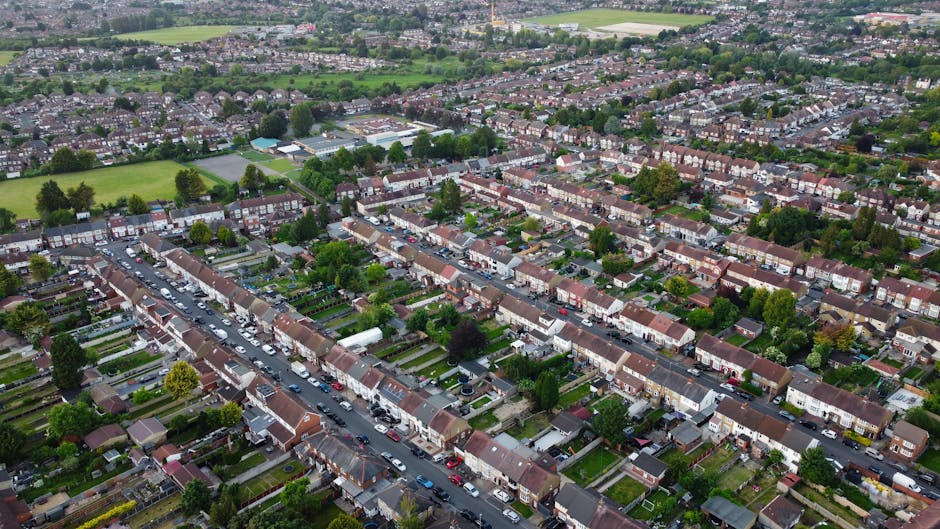
Prices matter because town homes in KT1 often come with their own quirks. You may have limited parking, narrow access, basement rooms, shared entrances, or neighbours who notice everything. That can affect how long a clearance takes and how many people are needed on site. In other words, the headline price is only useful if it reflects the actual job.
For a lot of people, this is not just about getting rid of clutter. It is about making a property sale-ready, turning over a rental, clearing builders' waste after a renovation, or reclaiming a room that has slowly become a storage cave. If you are in that stage where the spare bedroom has somehow turned into a shrine to old wardrobes and cardboard boxes, you are not alone.
The key thing to remember is that rubbish clearance pricing is usually shaped by volume, weight, labour, access, and disposal route. A small clear-out from a KT1 townhouse can be straightforward. A full house clearance with heavy items, awkward stairs, and mixed waste is a different story. Understanding this helps you avoid comparing apples with, well, a collapsed sofa and a broken washing machine.
It also helps you choose the right service. A general domestic clearance may be fine for bagged waste and a few bulky items, while a more specialist job may sit better under house clearance in Kingston upon Thames or furniture removal in Kingston upon Thames depending on what needs lifting out.
How KT1 rubbish clearance prices for Kingston town homes Works
Most rubbish clearance quotes for KT1 properties are built from a few practical checks. A good provider will want to know what you are clearing, where it is in the property, how easy it is to load, and whether anything needs special handling. That is normal. The clearer you are, the better the quote usually is.
Here is the typical pricing logic in plain language:
- Volume: How much space your rubbish takes in the truck or van.
- Weight: Heavier loads can cost more, especially with rubble, soil, or mixed builders' waste.
- Labour: More items, more stairs, or longer carry distances mean more time on site.
- Access: Tight staircases, permit parking, and no-lift buildings can add complexity.
- Waste type: Fridges, mattresses, electricals, and hazardous items may need separate treatment.
- Disposal route: Recycling, reuse, landfill, and specialist processing all affect cost.
Some companies charge by load size, some by item, and some use a hybrid quote after photos or a site visit. A simple bag-and-bulky-item job may be priced very differently from a full clear-out after a tenancy. If you need a deeper breakdown of how quote structures work, the company's quotes and pricing guide is a sensible place to begin.
Truth be told, the best quotes are the ones with a few clarifying questions, not the ones that sound too easy. If someone gives you a number in ten seconds without asking what floor the rubbish is on, be cautious. That's usually not the bargain it appears to be.
What usually changes the final price in KT1
Town homes in Kingston often have stacked layouts, and that matters. A ground-floor front room clear-out is easier than carrying broken wardrobes from a top-floor bedroom with a narrow staircase. Likewise, a mixed pile of black bags, wood, metal, and an old sofa is usually easier to sort than loose rubble mixed with plasterboard and garden waste.
Seasonal pressure can play a part too. Spring clear-outs, end-of-tenancy moves, and pre-sale preparation often create busier periods. Not always more expensive, but sometimes less flexible on timing. A Wednesday afternoon in January may feel very different from a Saturday morning in May.
Key Benefits and Practical Advantages
There is a reason so many Kingston homeowners choose a professional clearance service instead of doing several car-loads themselves. The biggest advantage is simply time, but there are others that tend to be underestimated.
- Faster turnaround: One visit can clear a job that might otherwise take all weekend.
- Less physical strain: Heavy lifting, awkward turns, and stair carries can be avoided.
- Better sorting: Reusable items, recyclable materials, and residual waste can be separated properly.
- Cleaner presentation: Very useful if you are selling, letting, or renovating a KT1 property.
- Less disruption: Neighbours and shared spaces are usually affected for a shorter time.
If sustainability matters to you, ask how the waste is processed. A reputable provider should be able to explain its recycling approach and how it tries to reduce unnecessary disposal. The recycling and sustainability guidance is worth reading if you want to understand the broader approach.
There is also a quieter benefit: peace of mind. Once the mess is gone, the whole property feels lighter. You notice the floor again, the light in the room, the space to breathe. It sounds dramatic, but anyone who has cleared a packed town home knows the feeling.
Who This Is For and When It Makes Sense
KT1 rubbish clearance is useful for a wide mix of people. The most common situations are pretty familiar, but each one has a slightly different cost profile.
- Homeowners: Clearing lofts, spare rooms, garages, sheds, or old furniture after a spring clean.
- Landlords and letting agents: End-of-tenancy waste, abandoned items, and urgent turnaround jobs.
- Sellers: Making a town home presentable for photos, viewings, and completion day.
- Renovators: Builders' waste, packaging, broken fixtures, and renovation debris.
- Families downsizing: Clearing bulky household items in a structured, respectful way.
It also makes sense when the waste is awkward, not just bulky. A single old fridge, a broken wardrobe, or a pile of mixed items in the basement can be enough to justify booking help. If you are clearing a property after a redesign or refit, builders waste removal in Kingston upon Thames and appliance disposal may be more relevant than a standard domestic collection.
A good rule of thumb: if you are asking yourself, "Do I really want to do three trips in my car for this?" the answer is probably no. Not with a sore back and a tight schedule, anyway.
Step-by-Step Guidance
Here is a practical way to handle the process without overthinking it.
- Sort the waste by type. Separate furniture, bagged rubbish, electrical items, garden waste, and rubble if you can. It makes quoting easier.
- Take clear photos. Wide shots plus close-ups help the provider estimate volume and spot anything unusual.
- Check access. Note stairs, parking restrictions, gated entrances, lift access, and distance from road to property.
- Ask what is included. Labour, loading, disposal, VAT, and recycling treatment should be clear.
- Confirm timing. If you need same-day or next-day clearance, mention it early.
- Prepare the space. Move personal documents, valuables, and anything you are keeping.
- Review the quote. Make sure the provider has accounted for the actual job, not a guess that changes later.
A lot of people skip step three and then wonder why the price changed. To be fair, access is one of those boring details that ends up mattering a lot. A van parked close to the door is one thing. Carrying everything round the side of a terraced town home in KT1 is another.
If the job is more than a few bulky items, ask about the wider domestic waste collection service so you can match the service to the waste, not the other way round.
Expert Tips for Better Results
When you want a fair price and a smooth clearance, a few small choices make a surprisingly big difference.
- Be specific about item types. "A sofa and some bags" is less useful than "three-seater sofa, 12 black bags, two bedside units, one microwave."
- Send photographs in daylight if possible. It makes the load easier to judge. A grainy evening photo under a yellow bulb is not ideal.
- Highlight awkward access early. Narrow stairwells, basement steps, and no-parking zones can change labour time.
- Ask about reusable items. Some furniture may be diverted for reuse rather than disposal, depending on condition.
- Book before deadlines. Completion dates, inspections, and move-out windows can arrive very quickly.
One little tip from the real world: if your town home has items spread across floors, walk the property and make a quick room-by-room list before you call. It saves everyone time. And yes, it stops that awkward moment when you remember the old printer in the cupboard after the quote has already been agreed.
For larger or mixed clearances, it can help to read up on the company behind the service too. The about us page can give you a better sense of the team, while insurance and safety information matters if your property has narrow stairs, fragile surfaces, or shared access.
Common Mistakes to Avoid
Most clearance issues are avoidable. They usually come down to one of three things: unclear waste details, poor access planning, or choosing on price alone.
- Assuming all rubbish is priced the same. A mattress is not the same as rubble or electrical waste.
- Forgetting access constraints. Stairs, parking permits, and long carry distances matter.
- Mixing hazardous items with general waste. Paints, chemicals, and certain electronics may need separate handling.
- Not checking what the quote includes. A low number can become expensive if loading or disposal is extra.
- Leaving sorting until the team arrives. That slows the job down and can make the quote less accurate.
Another common one: people book a clearance for a tidy room, then discover there are hidden cupboards, under-stair storage, and a few mystery bags in the loft. It happens all the time. The good news is that a decent provider will usually work with you, not against you, as long as they know upfront.
If you are checking trust factors, the company's waste carrier licence and compliance page is an important read. That is the kind of detail that separates a proper service from a risky one.
Tools, Resources and Recommendations
You do not need specialist equipment to prepare for a clearance, but a few simple tools help.
- a phone camera for photos
- a basic room list or notes app
- packing tape and bin bags for smaller loose items
- labels or coloured stickers if you are separating keep, donate, and remove piles
- measurements for tight hallways, stair turns, and item sizes
For some homeowners, the useful resources are less about tools and more about context. If you are preparing a home for sale, the company's selling homes in Kingston guide can help you think about presentation and timing. If you are weighing property upkeep over the longer term, this Kingston real estate article is also relevant in a practical, local sense.
If you are dealing with bulky items that are awkward to move, you may also find the bulky waste collection guide helpful for comparing disposal options and understanding what is involved.
Small recommendation, but an important one: keep a copy of the quote and the item list. It prevents confusion later. Nothing fancy. Just a simple record. That alone saves a lot of back-and-forth.
Law, Compliance, Standards, or Best Practice
For rubbish clearance in the UK, compliance matters more than many people realise. The most basic point is this: waste should be handled by a legitimate carrier, disposed of properly, and managed with appropriate care. If a provider cannot explain that clearly, it is worth pausing before you book.
Homeowners do not need to become compliance experts, but they should know the basics. A reputable operator should be able to explain how waste is collected, transported, sorted, and disposed of. They should also be transparent about safety, especially in town homes where stairs, shared entrances, or fragile finishes can create risks.
Best practice usually includes:
- clear identification of waste type before collection
- safe lifting and handling of heavy items
- appropriate segregation of recyclable and non-recyclable material
- careful handling of electricals and restricted waste streams
- honest pricing with no hidden add-ons
For reassurance on business standards, you can also review the company's pages on payment and security, terms and conditions, and the privacy policy. If you want to understand the company's broader responsibility framework, its modern slavery statement is also part of that trust picture.
And yes, even details like accessibility matter. If you or someone in the household has mobility needs, the accessibility statement can be a useful signal that the business takes inclusive service seriously.
Options, Methods, or Comparison Table
There is more than one way to handle rubbish in KT1, and the right option depends on what you are clearing, how quickly you need it gone, and how much lifting is involved.
| Method | Best for | Pros | Trade-offs |
|---|---|---|---|
| Professional rubbish clearance | Mixed household waste, bulky items, quick turnarounds | Fast, convenient, usually includes loading and disposal | Cost depends on load size and access |
| Self-haul to a disposal site | Small loads and people with suitable transport | Can be cheaper in direct cash terms | Time-consuming, physically demanding, multiple trips |
| Item-specific collection | Furniture, appliances, single bulky pieces | Useful for one-off jobs and targeted removals | Less efficient for mixed waste |
| House clearance | Whole-property clearances, probate, downsizing | Structured and thorough | Not always necessary for smaller jobs |
If your job is mainly one or two large items, a targeted service may be the best fit. For example, an old wardrobe and a sofa may suit furniture removal. If the property contains a full mix of household contents, a broader house clearance service is usually more efficient.
The right choice is rarely the cheapest-looking one on paper. It is the one that gets the job done properly, with no surprise knocks on the door later.
Case Study or Real-World Example
Here is a realistic Kingston town home scenario. A homeowner in KT1 is preparing a two-bedroom property for sale. The job includes a disassembled bed frame, one sofa, a broken chest of drawers, about ten bags of mixed household rubbish, and a small pile of packaging from a recent DIY refresh. The property has a narrow staircase and limited parking on the street.
In that situation, the quote is likely to depend less on the items themselves and more on how they are stored, carried, and loaded. Because the waste is mixed and spread across two floors, the labour element matters. The provider will also want to know whether the vehicle can park nearby or whether the team must carry everything a longer distance.
The homeowner can make the job easier by grouping items together, sending clear photos, and confirming whether the sofa is on the ground floor or upstairs. Small detail, big difference. It often turns an uncertain estimate into a much cleaner quote.
In practice, the best outcome is not just a fair price. It is a property that looks ready again: clean floorboards, open corners, and fewer things to distract a buyer walking through with their broker or partner in tow. You can almost hear the room breathe again.
Practical Checklist
Use this quick checklist before you request a quote or confirm a booking.
- List all waste items by room.
- Take wide, bright photos of the load.
- Note stairs, lifts, parking restrictions, and entry codes.
- Separate hazardous, electrical, furniture, and general waste where possible.
- Ask what is included in the quote.
- Confirm whether VAT or disposal charges are included.
- Check the provider's licence and compliance information.
- Ask how recyclable items are handled.
- Prepare valuables and documents before the team arrives.
- Keep the booking time realistic if access is tight.
Expert summary: For KT1 town homes, the best rubbish clearance price is not always the lowest headline figure. It is the quote that matches the actual load, accounts for access properly, and comes from a provider who handles waste responsibly.
Conclusion
KT1 rubbish clearance prices for Kingston town homes are easiest to understand when you look beyond the headline number and focus on the real job: what needs removing, how easy it is to reach, and how the waste will be handled once it leaves the property. That is where good pricing becomes fair pricing.
If you are clearing a town home in Kingston, a little preparation goes a long way. Sort the items, photograph the load, think about access, and choose a provider that is clear about compliance, safety, and disposal. Do that, and the process usually feels far less stressful than it first appears.
Get a free quote today and see how much you can save.
And if the house feels a bit overwhelming right now, that is okay. One clear room at a time still counts. In the end, progress is progress.